


WELCOME
Accepting New Patients!
Our Services
Services delivered with courtesy and respect
At Alvin Animal Clinic we are a full-service veterinary hospital here to cater to your pet’s needs. Our patients include mostly dogs and cats, but we also treat goats and chickens.
CTA TEAM


Meet the Team
Our Doctors and Staff
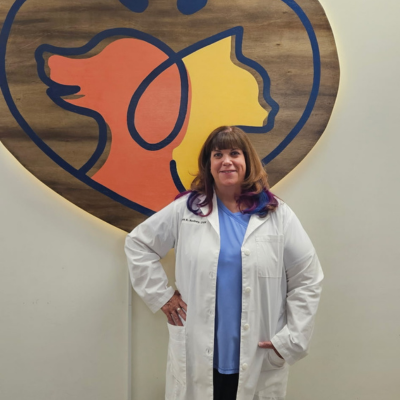
Our team is what makes Alvin Animal Clinic who we are today. We are proud of the care that they provide for their patients and the owners who love them, as well as the many certifications that our experienced employees continue to pursue each year.


PETDESK APP

Get Our PetDesk App
Simplify pet care with the PetDesk app. Manage appointments, view records, get reminders, and stay connected with our clinic — all in one convenient place.
Testimonials
Real and lasting care from Alvin Animal Clinic
“ Amazing care for our animals. Highly recommend! ”
Harmony Tulloch
span widget
span widget

“ Very pleasant staff. Average price for the area. They took excellent care of my dog! She had to get an I.V. and, stay the night. Suzie Q is much better now, and I'm thankful for the all around concern for her. ”
Mark Verrett
span widget
span widget
“ Great staff. Truly caring. Exceptional Veterinarian. ”
David Boren
span widget
span widget
Hours
Monday 7:30 am - 5:30 pm
Tuesday 7:00 am - 5:30 pm
Wednesday 7:00 am - 5:30 pm
Thursday 7:00 am - 5:30 pm
Friday 7:00 am - 5:30 pm
Saturday 8:00 am - 12:00 pm
Sunday Closed
Monday 7:30 am - 5:30 pm
Tuesday 7:00 am - 5:30 pm
Wednesday 7:00 am - 5:30 pm
Thursday 7:00 am - 5:30 pm
Friday 7:00 am - 5:30 pm
Saturday 8:00 am - 12:00 pm
Sunday Closed

Powered by: 