


Why Is My Dog Itching So Much This Fall? Alvin, TX Flea & Seasonal Allergy Guide
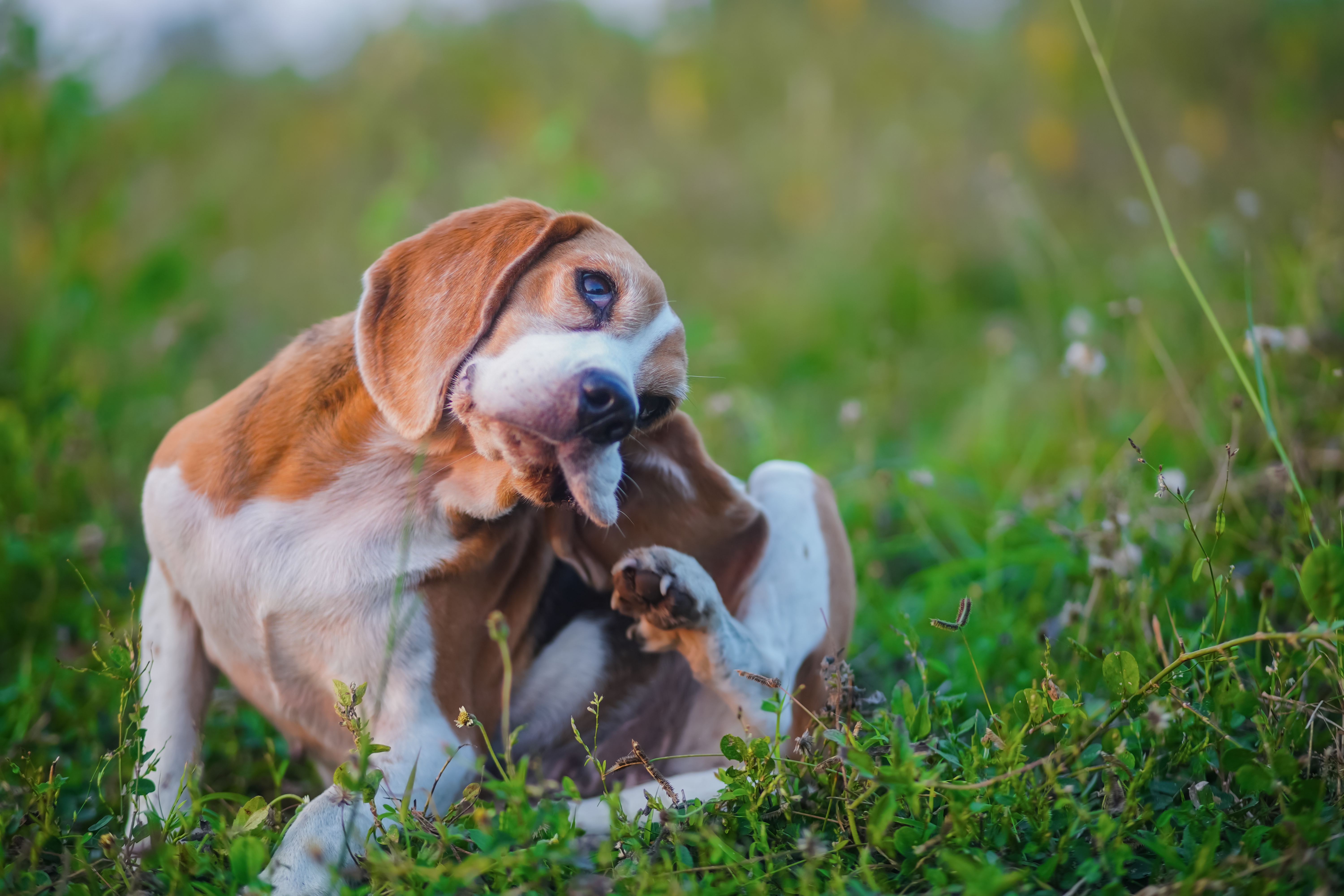
Fall in Alvin, TX, may bring cooler temperatures, but it can also mean increased itching and skin irritation for dogs. If your dog is constantly scratching, licking their paws, or developing red, irritated skin, fleas or seasonal allergies could be responsible.
At Alvin Animal Clinic, we help pet owners identify the causes of persistent itching and find appropriate treatment options. Understanding the difference between flea allergies and environmental allergies is an important first step toward keeping your dog comfortable.
Why Are Fleas Still a Problem During Fall?
Although fleas are often associated with summer, Alvin's relatively mild fall temperatures allow them to remain active. Some dogs develop flea allergy dermatitis, an allergic reaction to flea saliva that can cause intense itching even after just one bite.
Dogs with flea allergies commonly experience irritation around the base of the tail, lower back, and hind legs. You may also notice hair loss, scabs, or inflamed skin. Even if you cannot see fleas on your dog, they may still be present. Consistent, veterinarian-recommended flea prevention is important throughout the year in Texas.
Can Seasonal Allergies Cause Itchy Skin in Dogs?
Yes. Environmental allergens such as ragweed pollen, grasses, and mold can trigger allergic reactions in susceptible dogs during the fall.
Unlike humans, who often experience sneezing or congestion, dogs with environmental allergies typically develop skin-related symptoms. Seasonal allergies commonly affect the paws, ears, face, and belly.
Dogs that experience recurring itching around the same time each year may have seasonal allergic dermatitis. However, veterinary evaluation is necessary to distinguish allergies from other skin conditions.
Common Signs of Flea and Seasonal Allergies in Dogs
Watch for these symptoms during the fall months:
• Excessive scratching: Frequent scratching or rubbing against furniture.
• Paw licking or chewing: Persistent attention to the paws, especially after outdoor activities.
• Red or irritated skin: Inflammation around the belly, ears, or tail.
• Hair loss or hot spots: Bald patches or moist, inflamed areas caused by repeated scratching.
• Recurring ear problems: Head shaking, ear scratching, or an unusual odor.
These symptoms can also indicate bacterial infections, yeast infections, or other skin conditions.
How We Diagnose and Treat Itchy Skin in Dogs
At Alvin Animal Clinic, we begin with a physical examination and review your dog's symptoms, medical history, and flea prevention routine. Depending on our findings, we may recommend additional testing to identify infections, parasites, or other causes of irritation.
Treatment depends on the underlying problem and may include flea prevention, prescription itch relief, medicated skin care, or treatment for secondary infections. Our goal is to relieve discomfort while addressing what is causing the itching.
How to Help Prevent Fall Itching
There are several ways to reduce your dog's exposure to common allergens and parasites. Maintain year-round flea prevention as recommended by your veterinarian, and make sure other pets in your household are protected. Regularly washing bedding and vacuuming carpets can also help reduce flea contamination.
After outdoor activities, gently wiping your dog's paws and coat may help remove pollen and other environmental irritants. Avoid using human allergy medications or over-the-counter skin treatments without veterinary guidance, as some products can be unsafe for dogs.
When Should You Schedule a Veterinary Visit?
Occasional scratching is normal, but persistent itching should not be ignored. If your dog develops open sores, hair loss, worsening redness, or recurring ear irritation, schedule an examination. Early veterinary care can help prevent additional skin damage and secondary infections while improving your dog's comfort.
If your dog is struggling with persistent itching, flea allergies, or seasonal skin irritation this fall, contact Alvin Animal Clinic for professional veterinary care. Visit our office in Alvin, Texas, or call (281) 271-5630 to book an appointment.


Hours
Monday 7:30 am - 5:30 pm
Tuesday 7:00 am - 5:30 pm
Wednesday 7:00 am - 5:30 pm
Thursday 7:00 am - 5:30 pm
Friday 7:00 am - 5:30 pm
Saturday 8:00 am - 12:00 pm
Sunday Closed
Monday 7:30 am - 5:30 pm
Tuesday 7:00 am - 5:30 pm
Wednesday 7:00 am - 5:30 pm
Thursday 7:00 am - 5:30 pm
Friday 7:00 am - 5:30 pm
Saturday 8:00 am - 12:00 pm
Sunday Closed

Powered by: 